
When to refinance and when to keep things as they are
Identifying signs that existing borrowing is causing issues
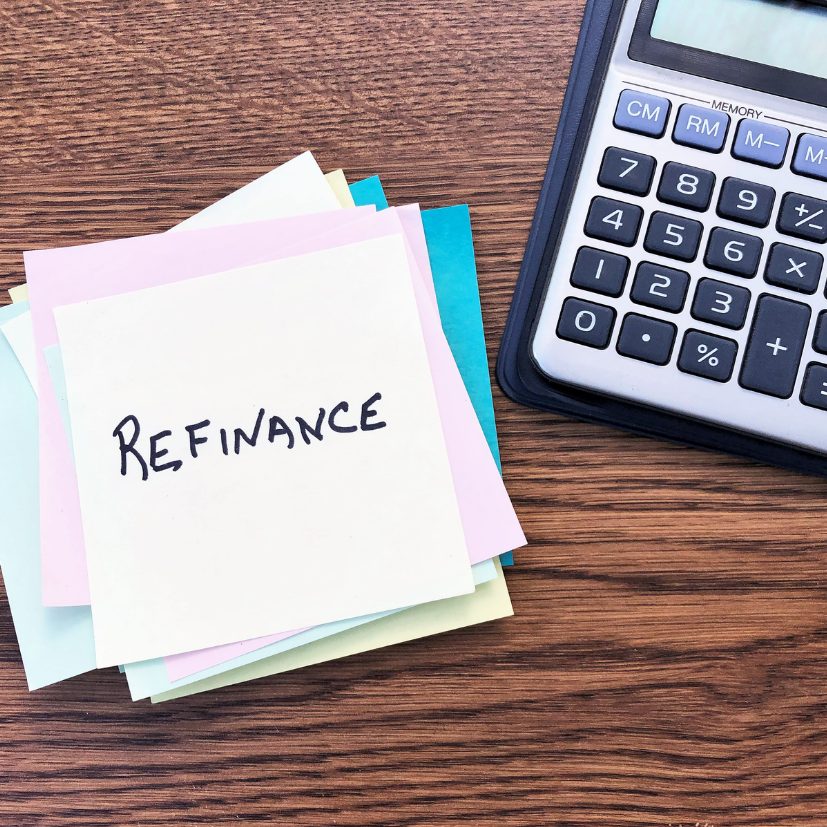
Many companies obtain funding and then don’t think about it again for years. Over time it starts to become costly, restrictive or difficult to service. Recently, we’ve seen more and more companies reassessing their historic financing structures – with some seeing lower monthly payments and improved cash flow. For others, however, keeping the same funding is still the best solution. The important thing is knowing when funding is helping the business and when it is starting to hold it back.
What does refinancing actually mean?
At its most basic level, refinancing involves replacing existing borrowing with a new structure. This might mean switching lenders, consolidating several facilities into one or renegotiating / extending repayment terms to provide additional flexibility. In some cases, it is simply about making funding easier to manage.
What are the signs your current funding is no longer working?
In most cases, you can see the signs day-to-day business. Repayment schedules are becoming burdensome, cash flow is under pressure or the business is juggling several facilities at once.
We often see firms using short-term financing for longer-term needs. It can work for a while but then problems start to arise. One business that we helped recently had four separate loans with high repayments. By refinancing into a single facility, the firm managed to reduce its monthly obligations from £15,000 to £4,000. That breathing room made a huge difference.
When does refinancing make the most sense?
Growth is often a trigger point. A business may be doing better or be more stable that when the original borrowing was arranged. Lender appetite also changes. A deal declined two years ago may now fit perfectly with a different lender. refinancing can also make sense where a business has outgrown its original structure and needs something more flexible.
When should a business probably leave its funding alone?
Not every facility needs replacing. If the rate is competitive, monthly repayments are comfortable and the overall structure still suits the business, changing things purely for the sake of it rarely helps. There can also be additional costs associated with the process, e.g. early settlement fees. Before deciding to proceed, you should factor all of this into the equation.
Can refinancing improve cash flow?
Yes, and relatively swiftly in many cases. Lowering monthly repayments can release cash back into the business straight away. Meanwhile, consolidation into a single facility can also make forecasting easier and reduce stress around payment dates.
We are seeing more firms refinance not because they are under pressure but because they want cleaner, simpler funding that supports growth
What do lenders look at when refinancing?
Lenders are interested in how the business performs today, not just where it has come from. They want to see the trading history, levels of borrowing, repayment behaviour, management accounts and cash flow projections. They also want to understand why the refinance is needed and what it achieves.
Preparation is vital. If figures are well presented and the story makes sense, chances of getting a deal approved increase dramatically.
What mistakes do businesses make when refinancing?
The biggest mistake is waiting too long. Many owners only review funding once a problem is upon them, which limits options. Others focus purely on headline rates and nothing else. We’ve also seen businesses stacking debt on top of debt instead of assessing whether existing funding is still relevant.
How often should businesses review their funding?
While regular reviews aren’t always necessary, it does make sense to review at key points. Fast growth, increased expenses, acquisition of other businesses or signing of new contracts are all good reasons. Even a short conversation can highlight whether the current structure still works or whether there may be better options available.
Funding needs to be supportive and facilitate business development. An structure that worked 2 or 3 years ago may no longer be relevant. Sometimes refinancing will give the company extra breathing room, decrease pressure and free up additional cash for growth. At other times, retaining existing funding may be better.
If you wish to review your current funding options or see what alternatives are available, please contact Stef Radymski or Nilima Begum from Evolve Business Finance to discuss this further.

Evolve successfully completes NACFB Assurance Review
Latest approval reflects Evolve’s commitment to high stand...

A little more about Stef…
Coffee, Guinness, 10k walks and a surprising past as a spons...

Meet the Lender: Shaun Bennett, Teybridge Capital
Welsh rugby fan Shaun Bennett talks structured finance, chan...

What makes a business attractive to lenders?
Why do some businesses find it easier to raise finance than ...

Stef’s market update – August 2026 – summer holidays haven’t stopped the funding deals
August may be holiday season but funding deals haven’t sto...

Meet the Lender: James Dewey, Morpheus Lending
James Dewey discusses bridging finance, changing lender appe...