
What happens when important details about your business is in your head?

When you want to find out about the inner workings of a long-established SME, there is a good chance some of the most useful information won’t be found in a handbook, CRM system or set of accounts. It’s in the owner’s head.
They know which long-standing customer prefers a phone call, who to speak to when a supplier lets them down, why a certain job is priced in a certain way and which small problems need dealing with before they become big ones. They know the history behind key deals and decisions plus all the ins and outs on staff, customers, suppliers and the market which has never needed to be logged.
And for the most part, that may work perfectly well. It becomes more of an issue when the owner starts to think about selling, retiring or taking a step back.
What leaves with the owner?
At Evolve we spend a lot of time working with businesses that are buying other companies, funding MBOs or going through a change in ownership. Alot of the work before a deal completes quite rightly centres on the numbers – what the business is worth, how the purchase will be funded, what debt the new owner can afford and what cash the business will need once the deal is done.
But there’s another part of the handover that is much harder to put a value on. A buyer may acquire everything tangible yet a great deal of what makes that company tick can still sit with the person who built or ran it.
A founder who has dealt with the same customers for 20 years will know who pays on time, who needs chasing and who tends to place a large order at the same point each year. They also might know that a key supplier will help at short notice if you call the right person or that a customer who looks small on paper regularly introduces much larger pieces of work. None of that is necessarily obvious from the accounts or sales data.
The same applies inside the business. There may be processes that staff follow because “that’s how we’ve always done it” with only the owner knowing why. There may be risks that have been dealt with informally for years, old agreements that still affect how the company trades or key contacts held on somebody’s phone rather than in the company systems. If the owner leaves and that knowledge goes with them, the new management team has big gaps in knowledge to fill.
Something for buyers to think about before completion
Founder dependency isn’t necessarily a reason to walk away from a deal. Many very good SMEs have been built around the drive, contacts and know-how of one person. It does, though, give buyers another area to look at as part of their plans.
Some of the key questions that need to be answered are:
- How much of the customer base depends on the owner’s personal relationships?
- Who else knows the key suppliers and contacts?
- Are the main ways of working written down?
- Does the management team understand the reasons behind key commercial decisions?
- If the owner stopped coming into work tomorrow, what would people need to ask them?
This can help a buyer work out what they need to know before the owner leaves and how long a handover may need to last.
It can matter to the seller too. An owner may have spent 20, 30 or 40 years building a business and wants to leave knowing that the new team has what it needs to carry on running it well. Getting years of know-how out of their head and into a form that someone else can use can be a useful part of preparing for that exit.
Capturing what usually gets missed
We’ve recently been talking to TransitionMemory, a new service set up to help with this part of a business handover.
TransitionMemory works with founders and business owners to capture the knowledge that might otherwise leave with them. Through its Founder Handover Sprint, it helps record key relationships, processes and decisions, identify areas where the business relies too heavily on one person and turn that information into a practical resource for the buyer or incoming management team.
We thought it was an interesting idea because it deals with a part of buying and selling a business that can be easy to miss among the funding, legal work, due diligence and negotiations that come before completion.
For anyone thinking of selling or retiring, it may also be worth considering this well before a buyer is at the door. The more a business can run without relying on one person to know all the answers, the easier it should be for someone else to take the reins.
You can find out more about the Founder Handover Sprint at TransitionMemory.
For more information or queries related to business funding, please get in touch with Stef on stef@evolvebusinessfinance.co.uk


Meet the Lender: Abbie Mosley, Time Finance
Abbie Mosley chats to us about asset finance, refinancing an...
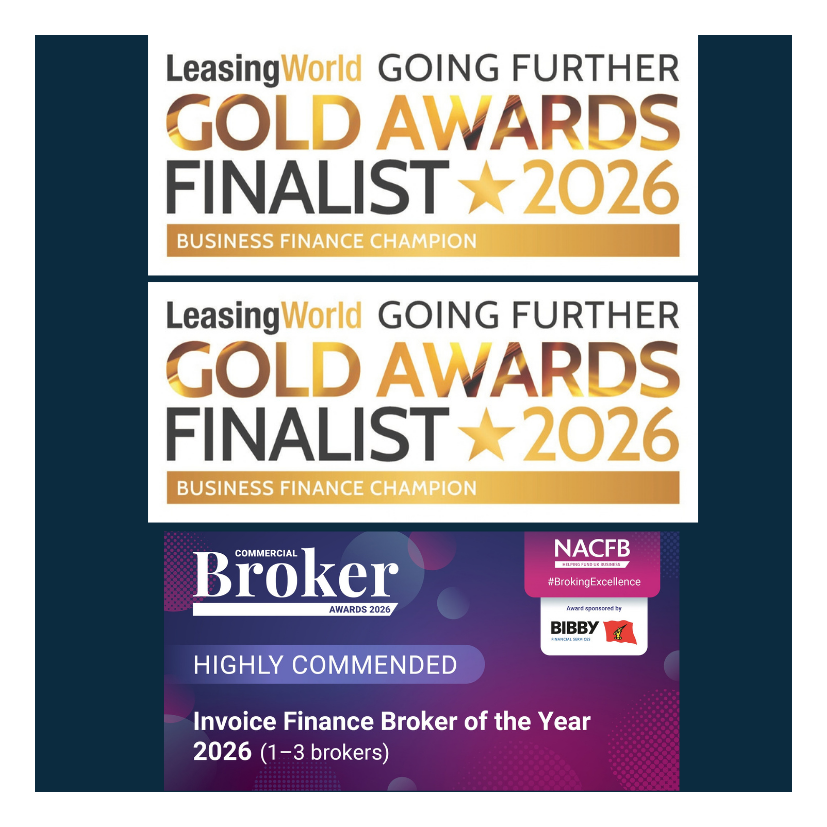
A run of awards recognition for Evolve Business Finance
Evolve celebrates awards recognition from the NACFB and Leas...

Meet the lender: Ayesha Butt, Momenta Finance
Ayesha Butt talks flexible funding, relationship-led finance...

Stef’s market update – September 2026 – there’s plenty of money to lend and plenty of businesses looking for it
After Evolve’s busiest August (and now September) on recor...

Evolve successfully completes NACFB Assurance Review
Latest approval reflects Evolve’s commitment to high stand...
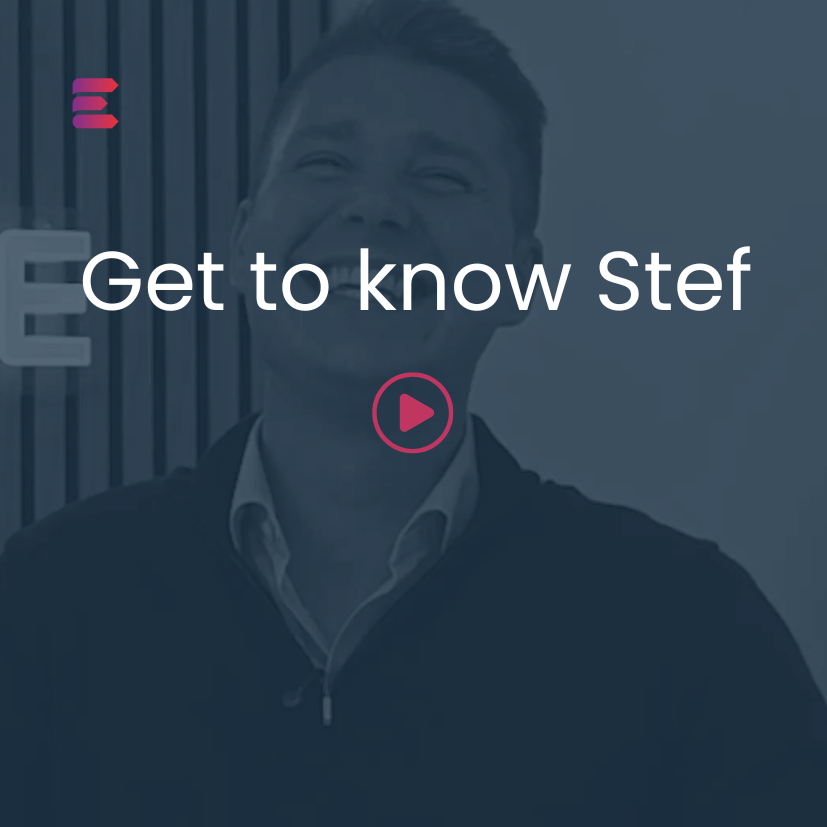
A little more about Stef…
Coffee, Guinness, 10k walks and a surprising past as a spons...